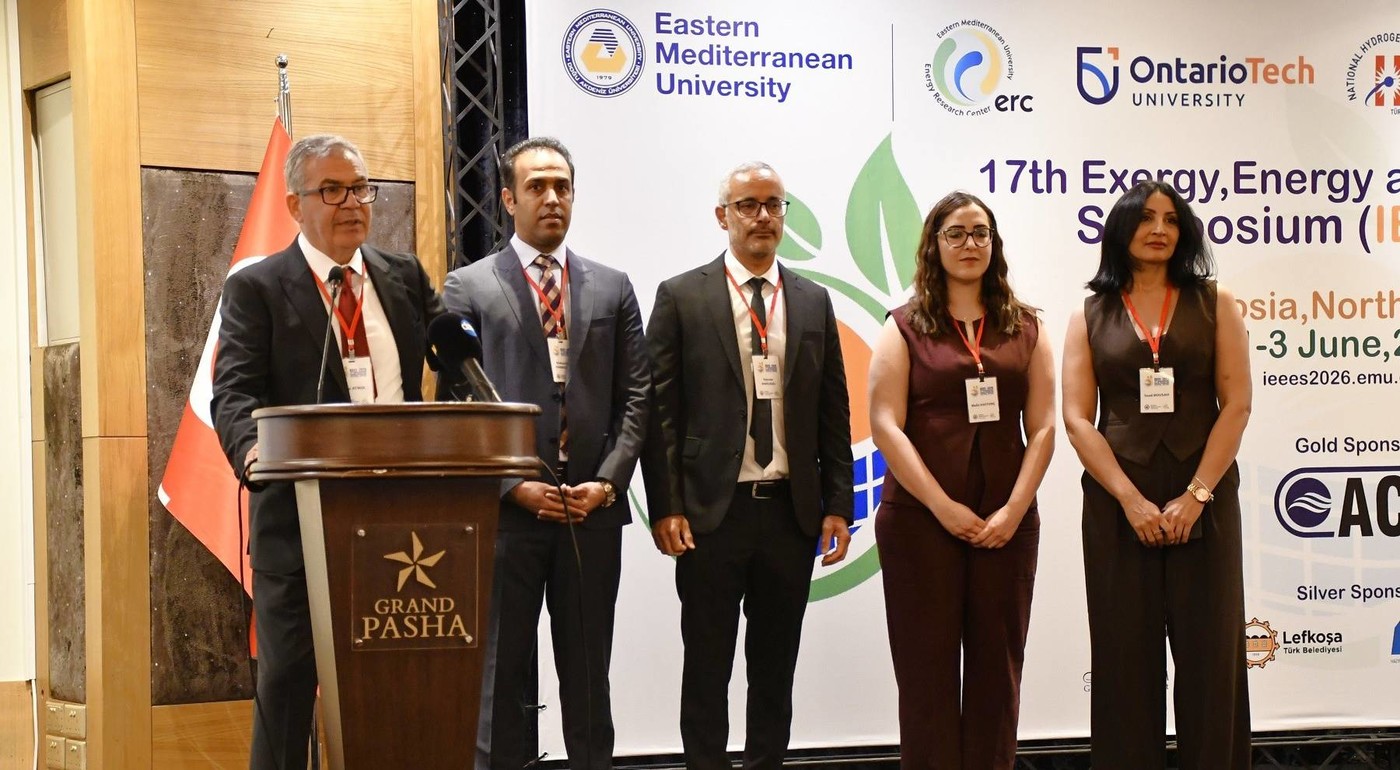
Eastern Mediterranean University (EMU) once again hosted a significant internationally prestigious and scientific event in the field of energy. Co-organized by EMU Energy Research Center (ERC) and Association of Energy Engineers (AEE) Cyprus Chapter, the 17th International Exergy, Energy and Environment Symposium (IEEES-2026) took place on 1-3 June 2026 at Grand Pasha Hotel, Nicosia. Addressing current issues encountered in the fields of energy and environment, the symposium brought researchers, academics, engineers and sector representatives together.
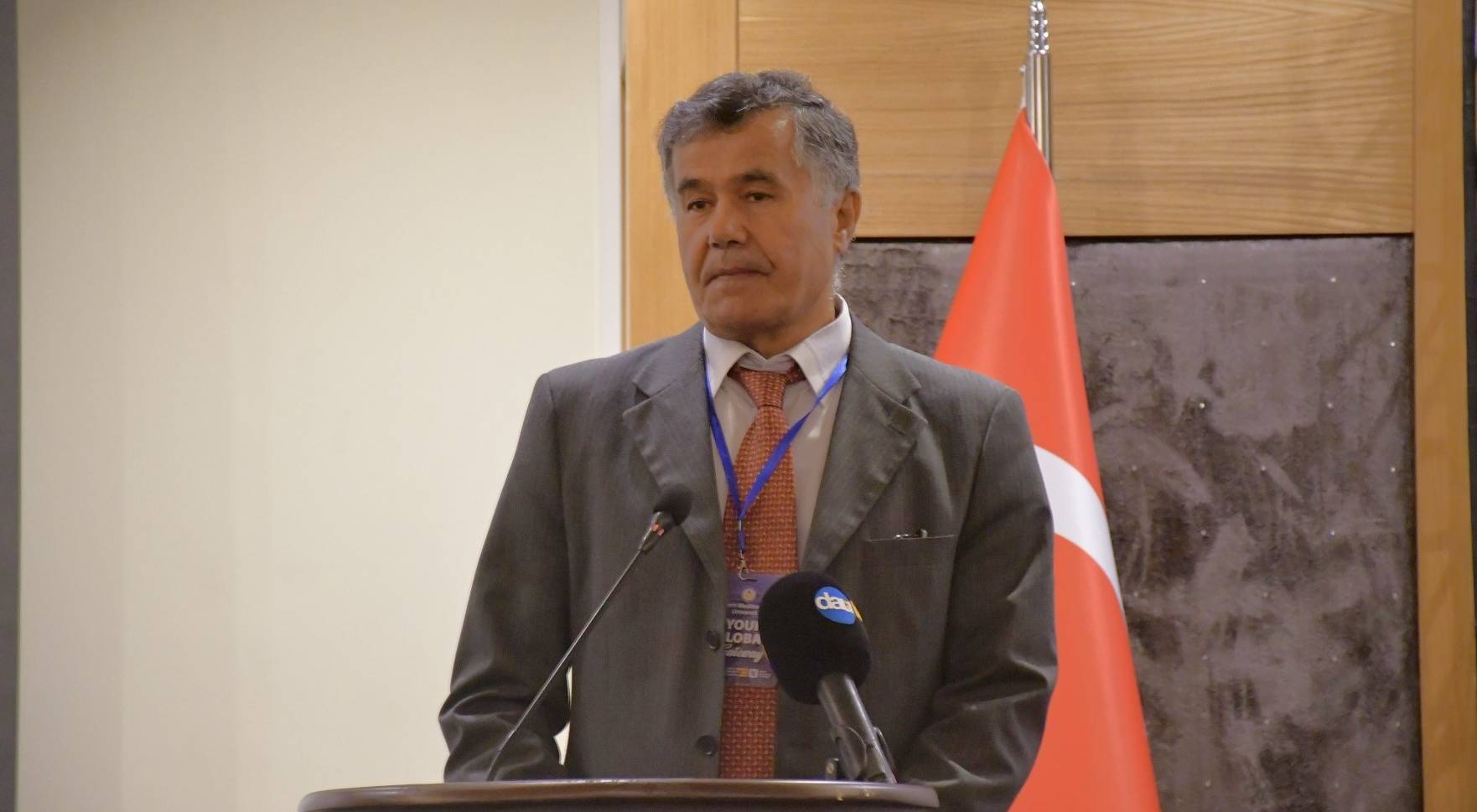
“Beyond Technological Transformation”
In his opening remarks at the 17th International Exergy, Energy and Environment Symposium, Chair of EMU-ERC and Conference Chair Prof. Dr. Uğur Atikol highlighted the symposium’s longstanding tradition, noting that it has been held since 2005. He emphasized that hosting this year’s event in Cyprus was made possible through the support of EMU and the symposium sponsors, expressing his sincere appreciation to all those who contributed to its organization. Prof. Dr. Atikol underlined that the transformation taking place in the energy sector extends beyond technological advancements, carrying valuable lessons that can also be applied to everyday life. He stated that reducing losses within energy systems is essential for achieving greater efficiency and long-term sustainability. Concluding his remarks, he encouraged participants to actively engage throughout the symposium by exchanging knowledge, contributing to discussions, and establishing new collaborative partnerships.
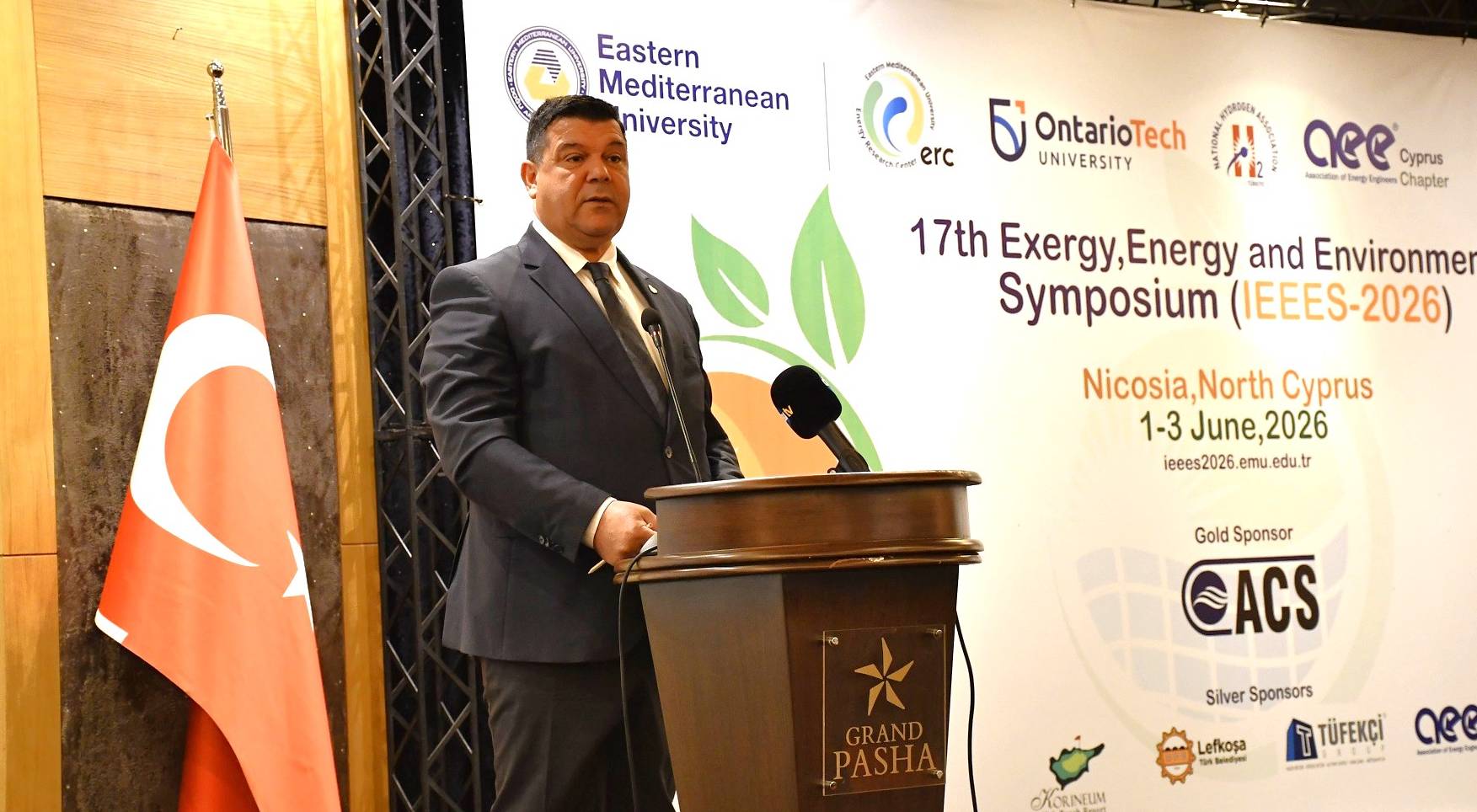
“Energy Security Is Essential”
In his address, EMU Rector Prof. Dr. Hasan Kılıç emphasized that energy, environmental sustainability, and ecological responsibility have become key elements of development, environmental protection, and national security in the modern world. He underlined the urgent need to accelerate the transition toward clean energy technologies, describing it as a crucial step for the future. Pointing out that energy security is closely linked to geopolitical dynamics, Prof. Dr. Kılıç noted that ongoing global tensions continue to shape international energy markets. He stressed that a secure energy supply is fundamental to achieving economic resilience and sustainable growth, while also highlighting Türkiye’s strategic location and its significant role within regional energy corridors. Prof. Dr. Kılıç further stated that EMU continues to promote research in the areas of sustainability, energy efficiency and innovation. Concluding his remarks, he expressed his confidence that the next generation of scientists being educated today will play a leading role in developing the energy solutions of tomorrow.
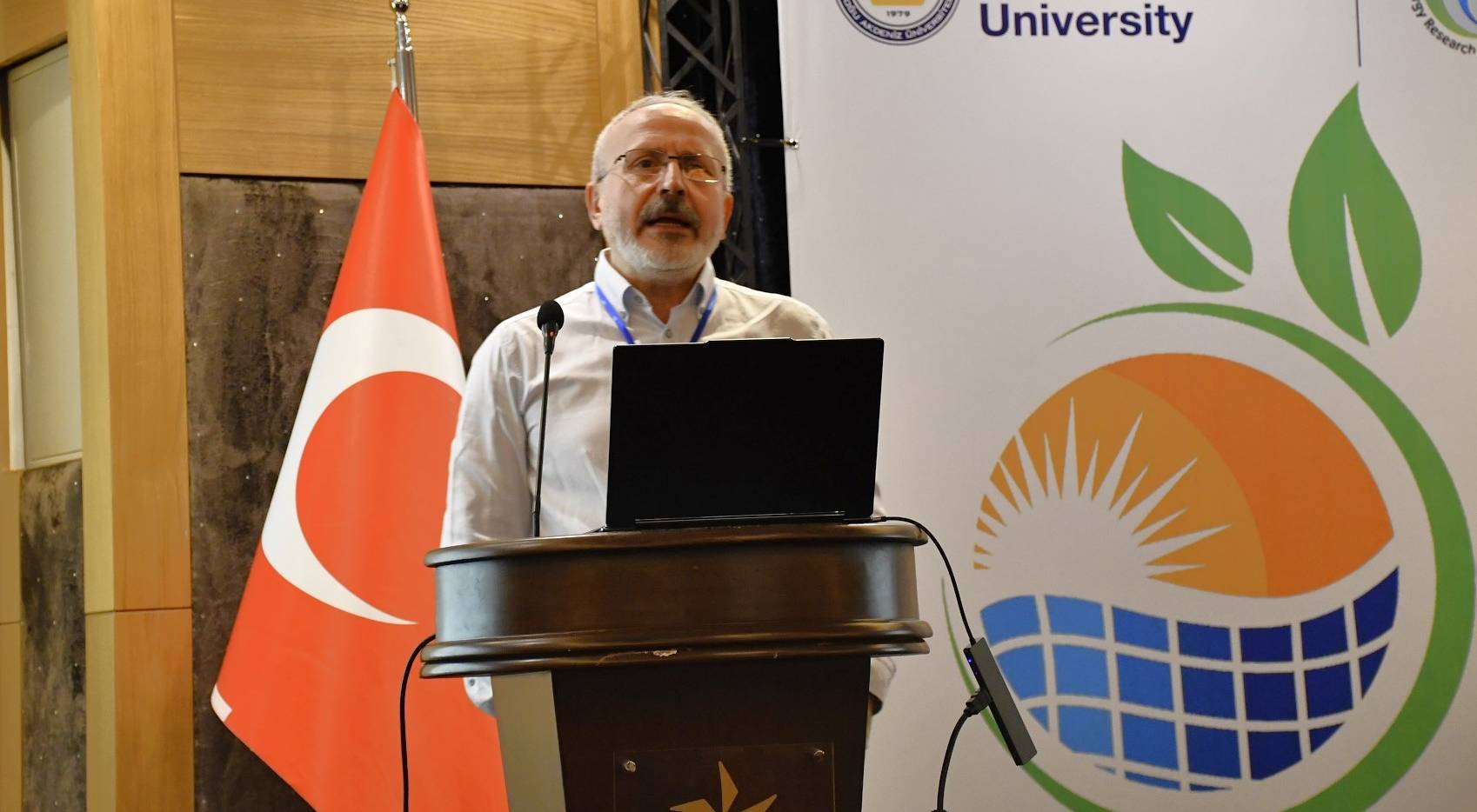
The symposium featured presentations by keynote speakers who are prominent figures in the field; “Alternative Energy and Exergy Dimensions” by Prof. Dr. İbrahim Dinçer from Ontario Tech University; “Integration of Energy Storage with Buildings – Managing Energy Demand and Emissions” by Prof. Dr. Fariborz Haghighat from Concordia University; “Energy Economic Prospects for Green Hydrogen in Europe” by Prof. Dr. Reinhard Haas from Vienna University of Technology; and, “Re-imagining Future Energy Systems Through Design, Evaluation and Governance Perspectives” by Prof. Dr. Feridun Hamdullahpur from University of Waterloo.
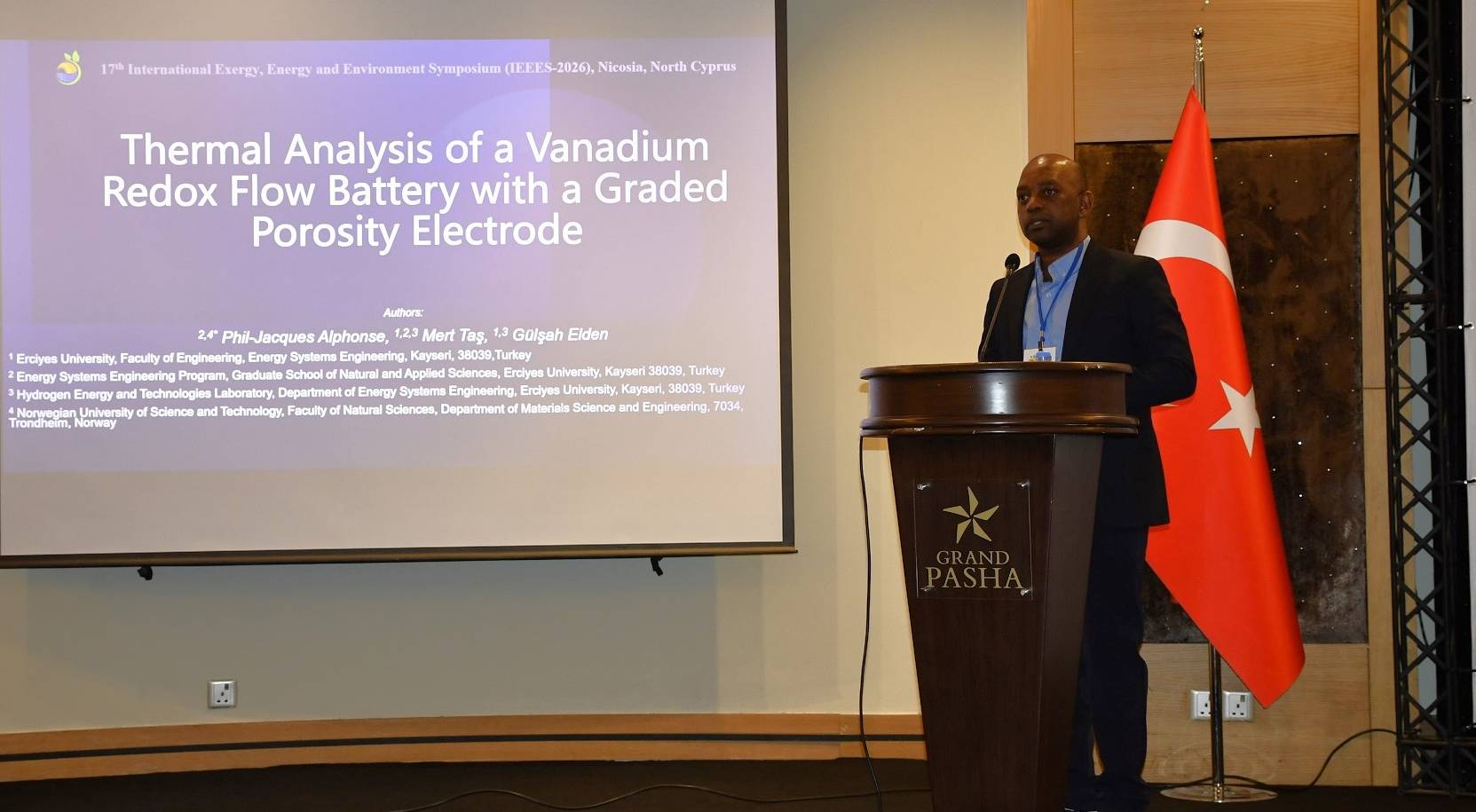
Addressing the participants at the closing of the symposium, Prof. Dr. Uğur Atikol – Chair of EMU-ERC and Conference Chair – stated that no single technology stands out as the sole solution in the ongoing energy transition. On the contrary, he emphasized that a holistic approach integrating a combination of emerging technologies is essential. Prof. Dr. Atikol further underlined that planning must keep pace with technological advancements and be carried out dynamically through an integrated strategic framework encompassing both the energy supply and demand sides.
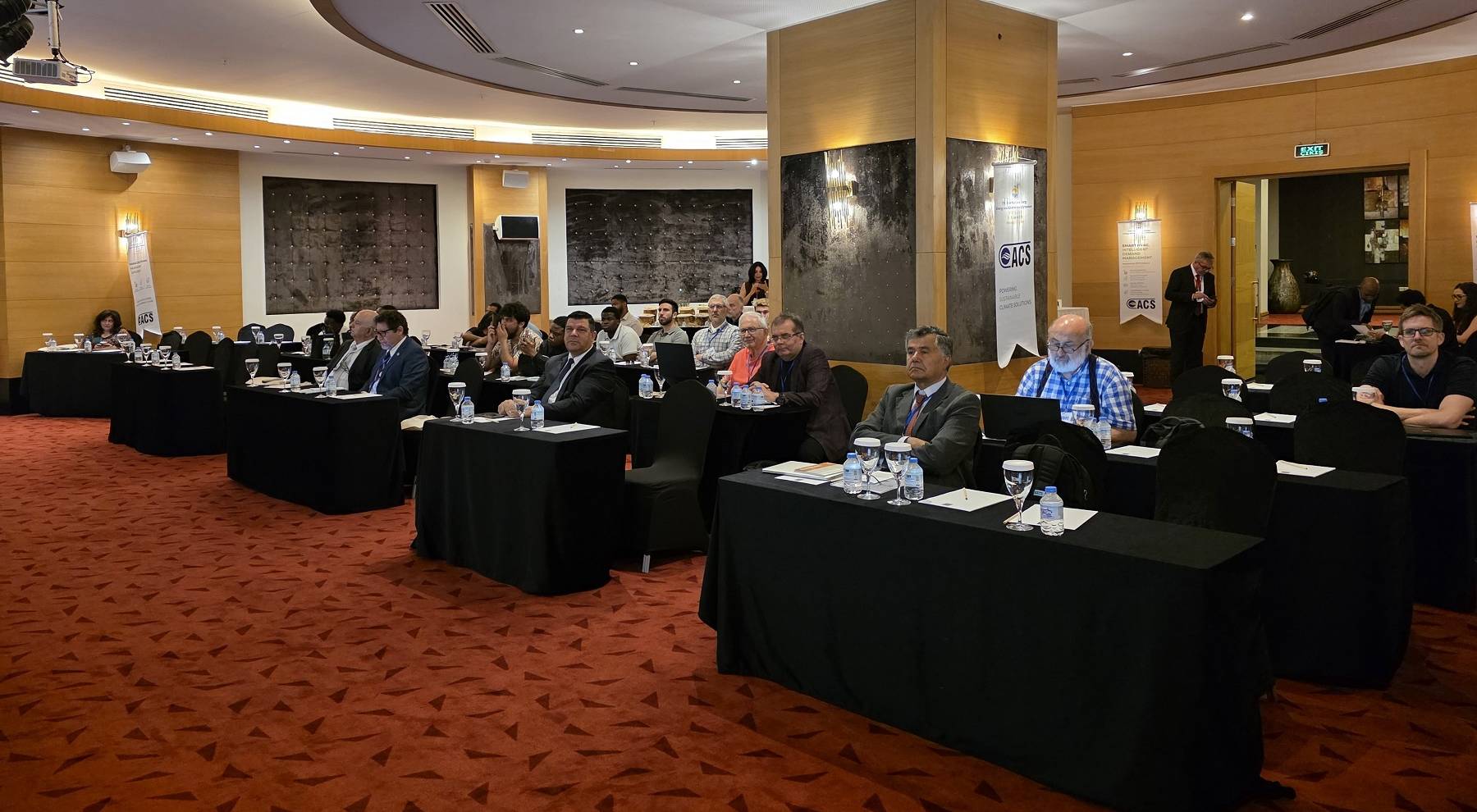
During the internationally attended symposium, a wide range of academic papers were presented on current issues including energy efficiency, sustainable and renewable energy systems, exergy analysis, environmental impacts, energy policies, and advanced energy technologies.