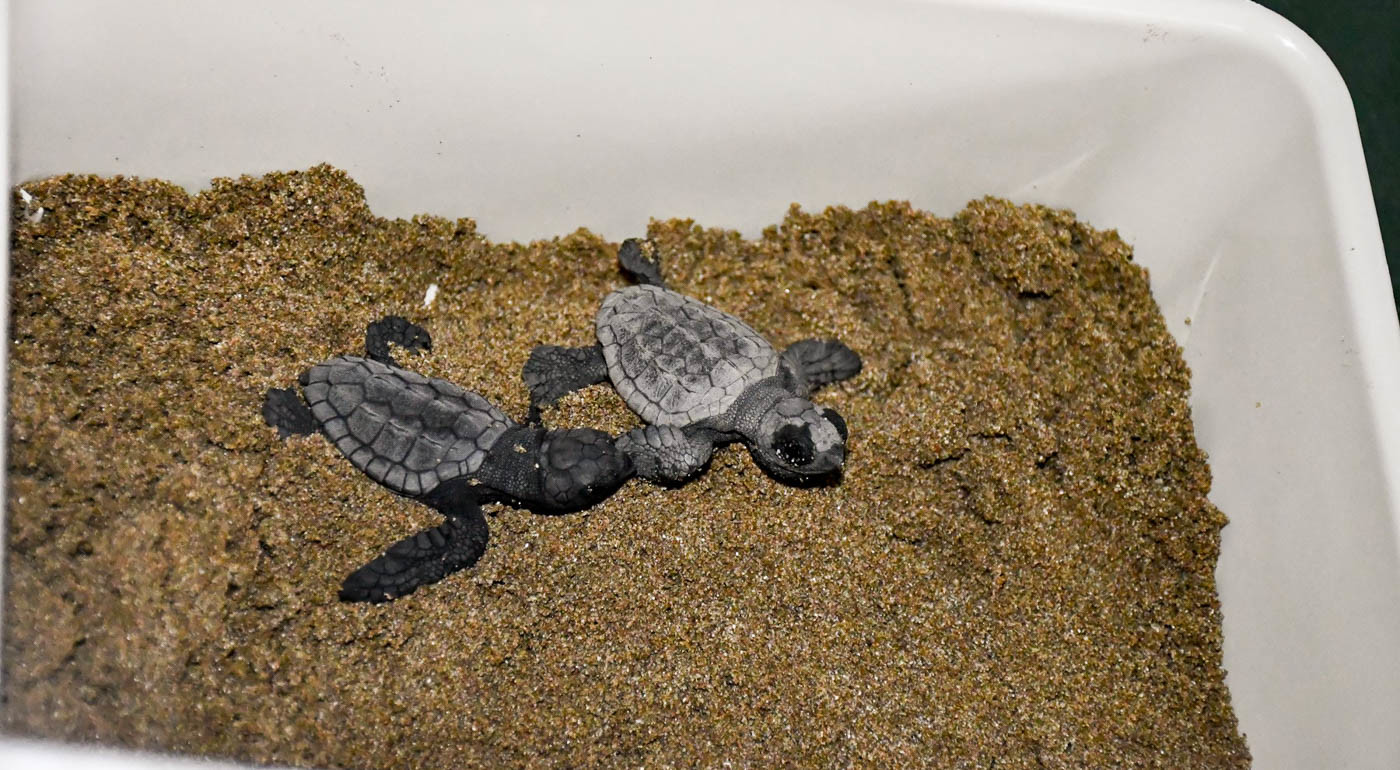
With the permission granted by the Environmental Protection Department under the Deputy Prime Ministry, Ministry of Tourism, Culture, Youth and Environment of the Turkish Republic of Northern Cyprus (TRNC), the release of sea turtles into the sea continues under the coordination of Eastern Mediterranean University (EMU) as part of the project for the monitoring and protection of sea turtles along the coasts of Famagusta, Yeniboğaziçi and İskele, which has been ongoing since 2008.
Led by Assist. Prof. Dr. Burak Ali Çiçek, Chair of the Department of Biological Sciences at the EMU Faculty of Arts and Sciences and Chair of the Underwater Research and Imaging Center (SAGM), the project involves the periodic monitoring of nests, while measures are taken against beach access and natural threats to ensure that the hatchlings safely make their way to the sea.
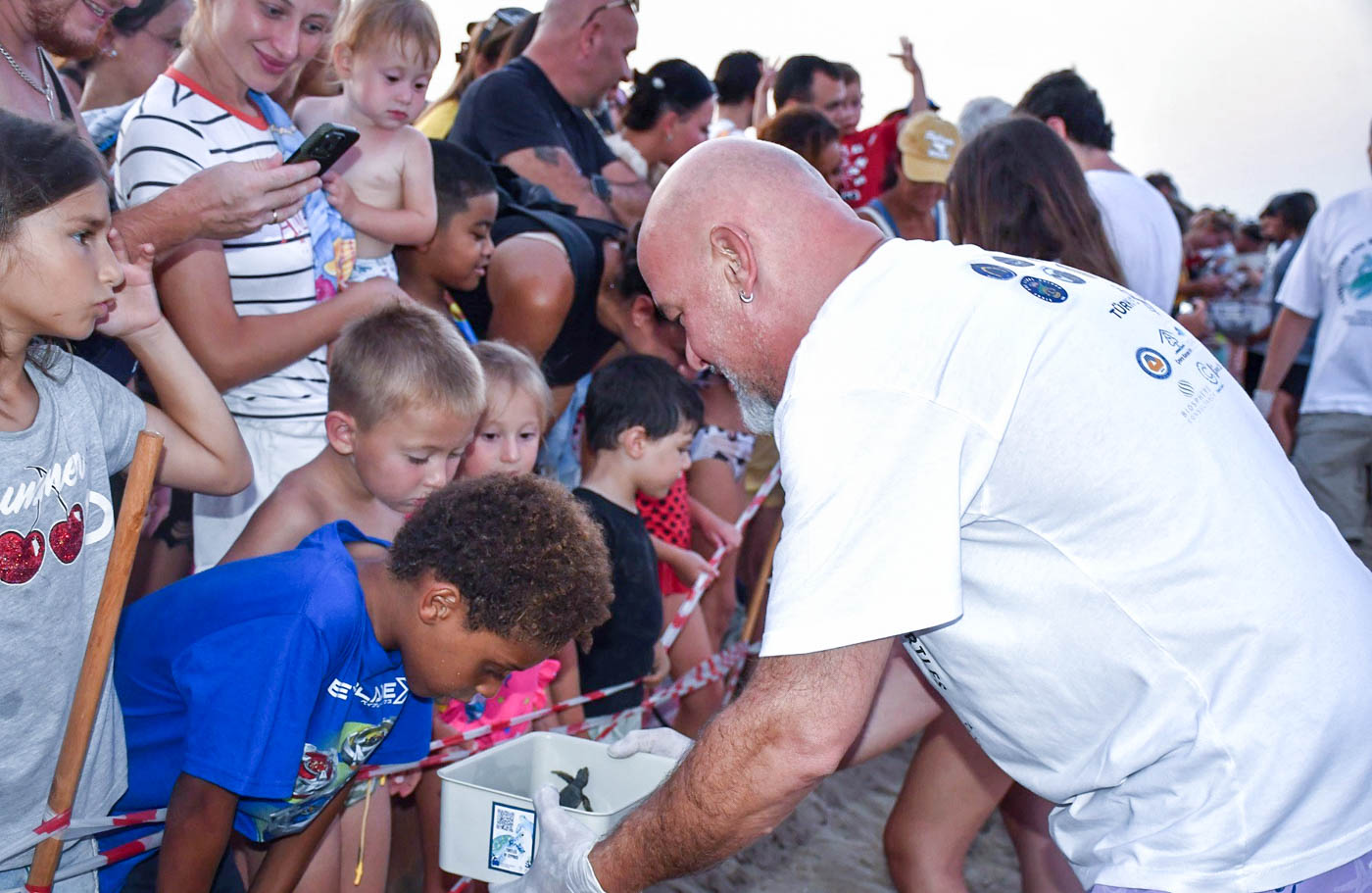
As part of the 2026 summer season baby sea turtle release activities, baby sea turtles were released into the sea at the EMU Beach Club with the support of clubs operating under the District 135 North Cyprus Lions Federation. EMU Rector Prof. Dr. Hasan Kılıç also attended the event, which brought together many volunteers.
Prof. Dr. Kılıç emphasized that the project carried out for the protection of sea turtles is of great importance in terms of both raising environmental awareness and preserving wildlife, and said, “Every effort made to ensure the survival of these unique creatures entrusted to us by nature is extremely valuable. As EMU, alongside our scientific studies, we also fulfill our social and environmental responsibilities with great care and sensitivity. Witnessing sea turtles safely make their way to the sea is a great source of happiness and pride for us.”
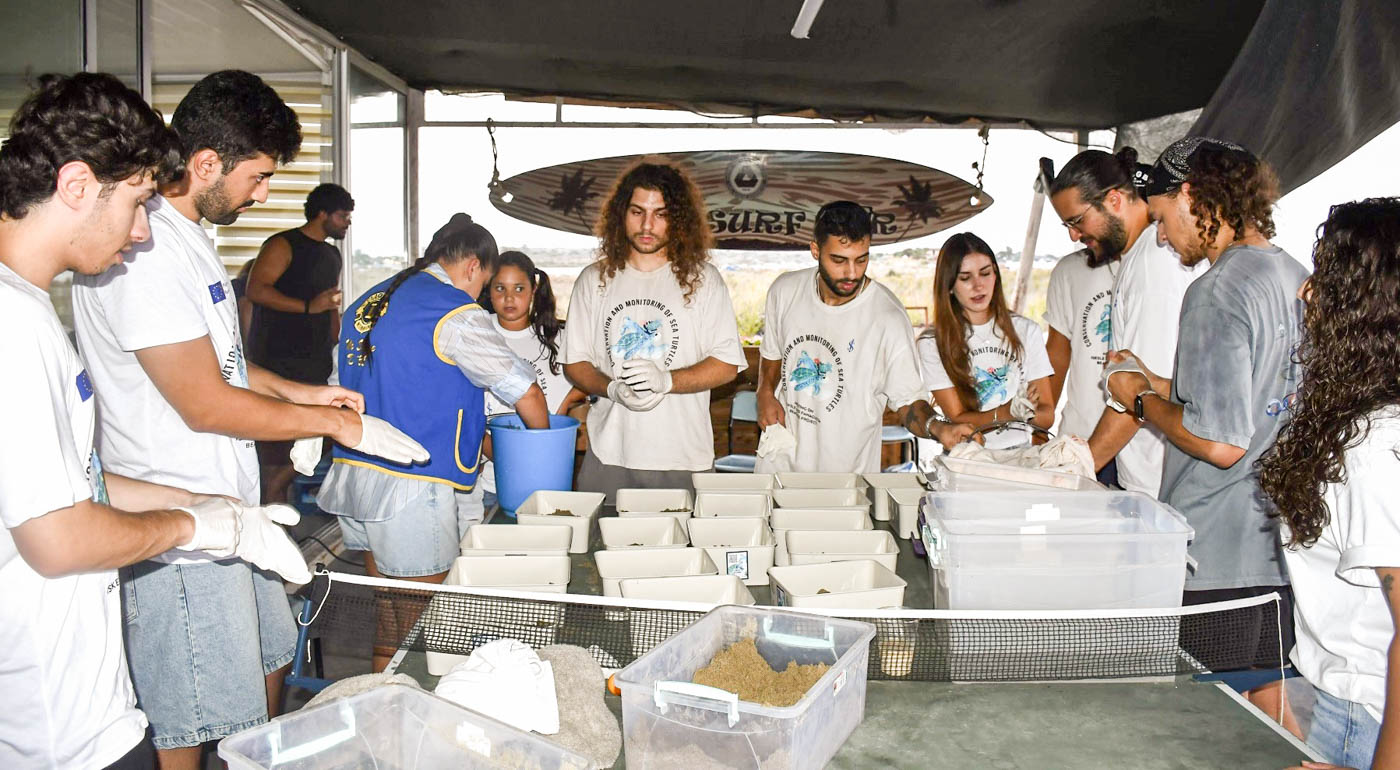
Also making remarks on the 2026 summer season baby sea turtle release activities, Assist. Prof. Dr. Çiçek stated; “We have been carrying out our sea turtle monitoring and conservation activities uninterruptedly since 2008, in accordance with the permits obtained from the Environmental Protection Department. Continuing for nearly 18 years, this initiative is the result of a long-term, collaborative conservation effort sustained through the cooperation of state institutions, municipalities, our university, non-governmental organizations and private organizations. In this respect, our project also serves as a good example of biodiversity conservation and ecological restoration efforts, which are among the key components of today’s approach to sustainability.
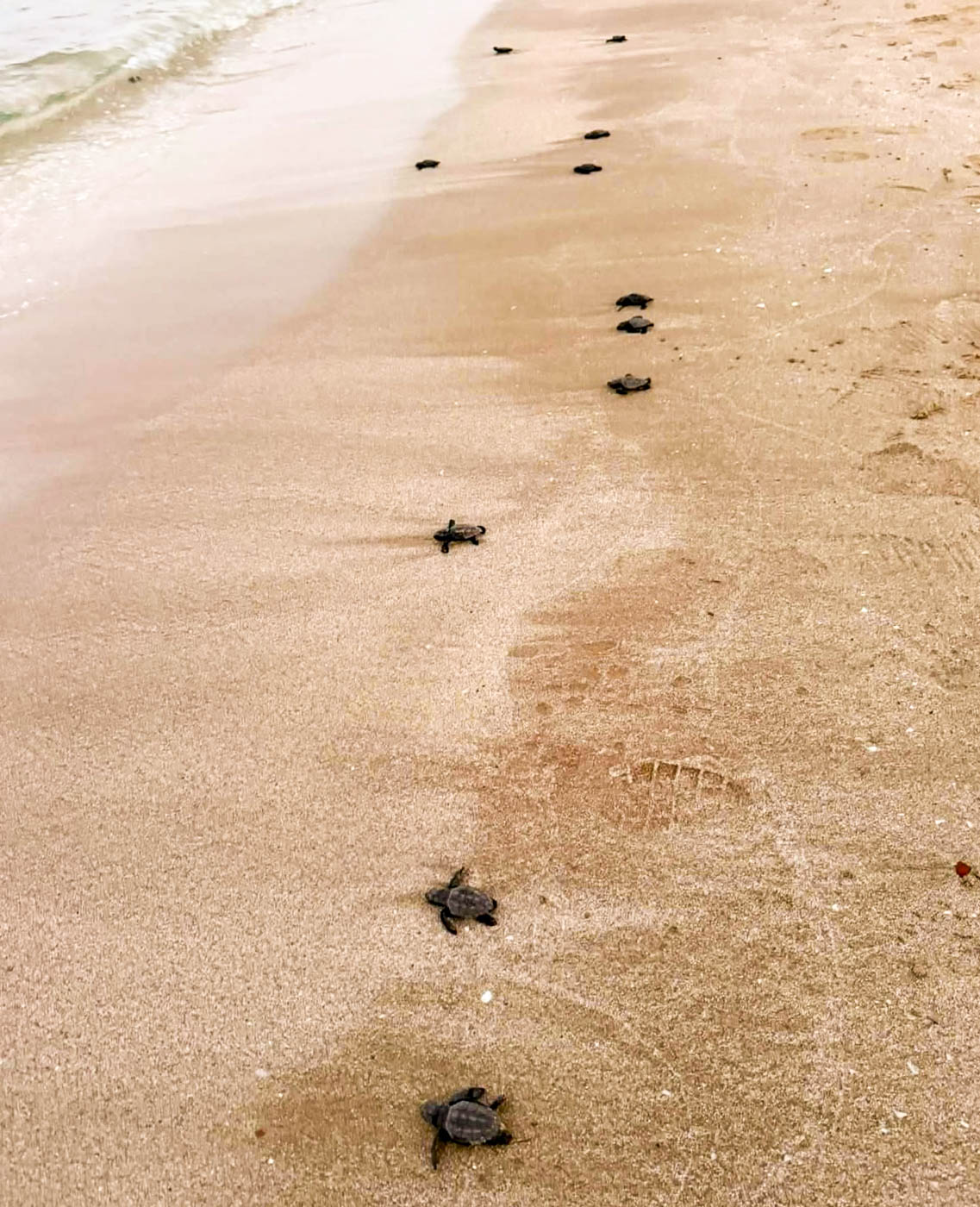
One of the greatest strengths of these efforts is our volunteers. I would particularly like to thank our EMU students, whose number has now reached 80, as well as the student volunteers from other universities who join us and work with great dedication each year at various stages of the process, from fieldwork and nest monitoring to ensuring that the hatchlings safely reach the sea. It is extremely valuable to us that young people not only support these efforts but also take responsibility for protecting nature and biodiversity and actively become part of this endeavor. I would like to thank all the institutions, organizations and volunteers who have contributed to and supported this long-term initiative.”