
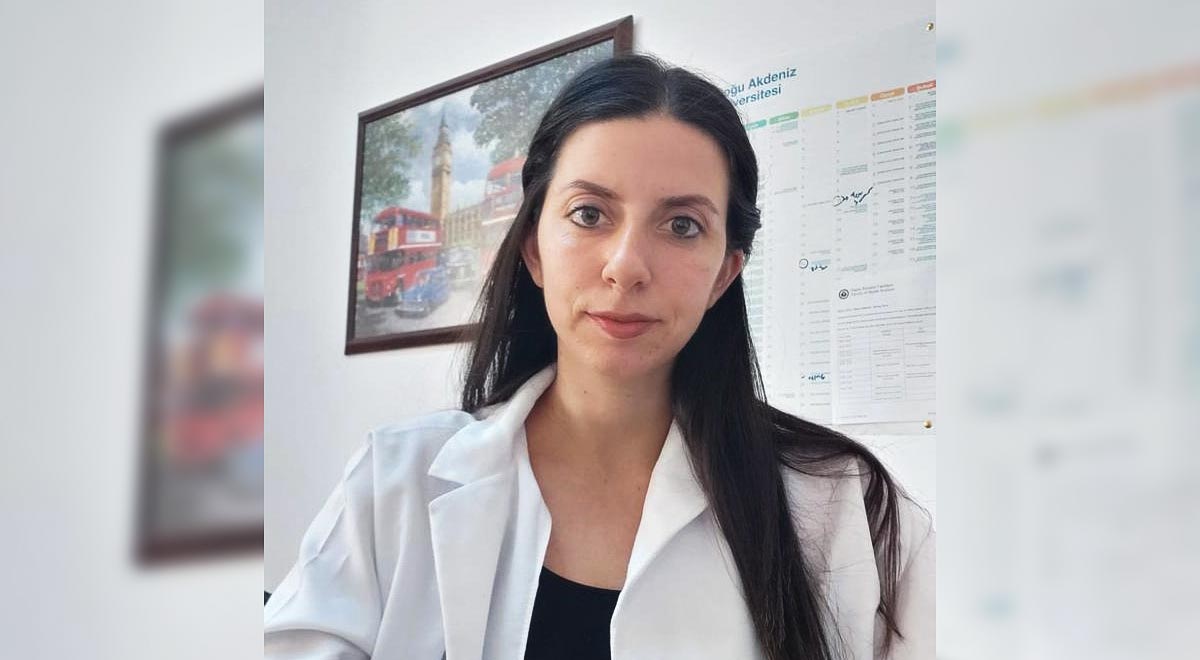
Eastern Mediterranean University (EMU) Faculty of Health Sciences, Department of Physiotherapy and Rehabilitation Academic Staff Member and Coordinator of the University of the Third Age / 60+ Senior Development Program, Assoc. Prof. Dr. Zehra Güçhan Topcu, issued a statement titled “Physiotherapy for Premature Babies: The Key to Healthy Motor Development” on the occasion of World Prematurity Day. Emphasizing the importance of early physiotherapy intervention and regular developmental monitoring for premature babies, Assoc. Prof. Dr. Topcu stated the following:
“World Prematurity Day, previously observed annually on November 17 to raise awareness, has been moved to November 15 as of this year. Premature babies are infants born before the completion of the 37th week of pregnancy who, due to their developmental needs, may require more extensive care and monitoring than full-term babies. The care needs of these infants, particularly during the postnatal period, are often addressed in Neonatal Intensive Care Units (NICUs).
Premature babies, whose chances of survival were once extremely limited, can now survive thanks to advances in healthcare and technology. However, being born before completing the growth and developmental processes that would normally take place in the womb may expose these infants to various risks across different areas of development and result in a need for additional developmental support.
Why Is Physiotherapy Follow-Up Important for Premature Babies?
Low muscle tone and muscle weakness in premature babies can delay or affect the development of fundamental motor skills, including head control, rolling over, sitting, and crawling. Consequently, regular follow-up by pediatric physiotherapists is particularly important for monitoring their developmental progress and addressing potential difficulties.
Physiotherapy Remains Essential Even in the Absence of Neurological Risks
Physiotherapy follow-up for premature infants should not be limited to those considered at high neurological risk. Even infants with a low risk of neurological complications may require additional support for muscle tone, muscle strength, and motor development. In particular, reduced muscle tone, characterized by muscles being more relaxed than normal, may impair the initiation and control of movements, potentially affecting the acquisition of essential motor skills such as head control, active movement of the arms and legs, rolling over, and sitting. Regular assessments by pediatric physiotherapists enable the identification of each infant’s individual developmental needs and facilitate the planning of appropriate sensory stimulation, exercises, and activity programs. Family involvement is equally important in ensuring the effectiveness of these interventions. Providing parents and caregivers with guidance from an early stage helps integrate developmentally supportive activities into the infant’s daily routines.
Early Physiotherapy Supports the Brain’s Natural Ability to Learn and Adapt
The brain possesses a remarkable ability to form new neural connections and adapt its structure and function in response to experiences, a process known as neuroplasticity (brain plasticity). This ability is especially strong during the first years of life, highlighting the importance of timely and appropriate developmental interventions.
Early identification of potential differences in movement, posture, muscle tone, or other aspects of neurological development that may emerge later in premature babies is essential, as is ensuring that necessary physiotherapy support is provided without delay. Early physiotherapy interventions aim to enhance infants’ existing motor skills, minimize the impact of potential developmental difficulties, and take advantage of the brain’s remarkable capacity for learning and adaptation.
As the Eastern Mediterranean University Department of Physiotherapy and Rehabilitation, we also provide regular monitoring and follow-up care for premature babies at the Pediatric Rehabilitation Unit of the Healthy Living and Practice Center (SAYMER), operating within our Faculty. Premature babies referred to our center undergo comprehensive assessments, following which they are enrolled in active physiotherapy sessions and regularly monitored. Infants who are identified as requiring further diagnostic testing based on these assessments are referred to the relevant medical specialists.
It is important to remember that every premature baby follows a unique developmental path. Therefore, physiotherapy programs are individually tailored to each infant’s gestational age at birth, health status, developmental characteristics, and specific needs. Early identification, accurate assessment, and timely intervention are among the most valuable investments we can make in supporting the future motor skills and overall development of premature babies.”