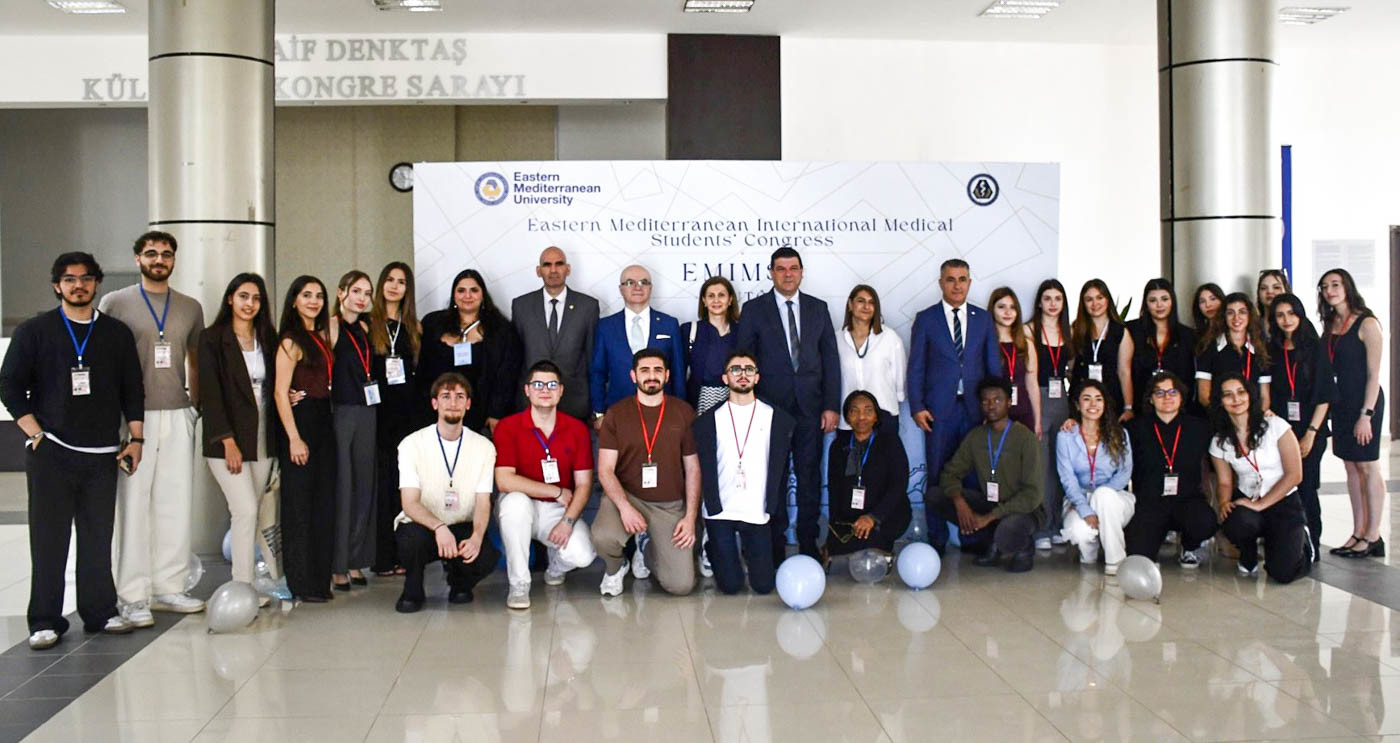
Eastern Mediterranean University (EMU) Dr. Fazıl Küçük Medicine Faculty hosted the “6th Eastern Mediterranean International Medical Students’ Congress” organized in collaboration with EMU Scientific Research Club/Society. Held with this year’s theme of “Brain-Connect: Students and Experts in Neuroscience”, the event took place on 11-12 May 2026 at the Rauf Raif Denktaş Culture and Congress Center.
The congress was attended by EMU Rector Prof. Dr. Hasan Kılıç, EMU Vice Rectors Prof. Dr. Osman M. Karatepe, Prof. Dr. Sonuç Zorlu and Prof. Dr. Ali Öztüren, EMU General Secretary Derviş Ekşici, Dean of Dr. Fazıl Küçük Medicine Faculty Prof. Dr. Nilüfer Güzoğlu, Dean of Health Sciences Faculty Prof. Dr. Mehtap Malkoç, Acting Dean of Dentistry Faculty Assoc. Prof. Dr. Işıl Özgül Kalyoncu, Dean of Faculty of Medicine at Cyprus International University Prof. Dr. Ayşegül Taylan, Dean of Faculty of Medicine at Cyprus Health and Social Sciences University Prof. Dr. Kerem Teralı, many other academics from different universities, medical students and international participants.
The opening ceremony of the congress took place on Monday, 11 May 2026, commencing with observance of a minute of silence and National Anthem.
“Science, Curiosity, and Collaborative Learning”
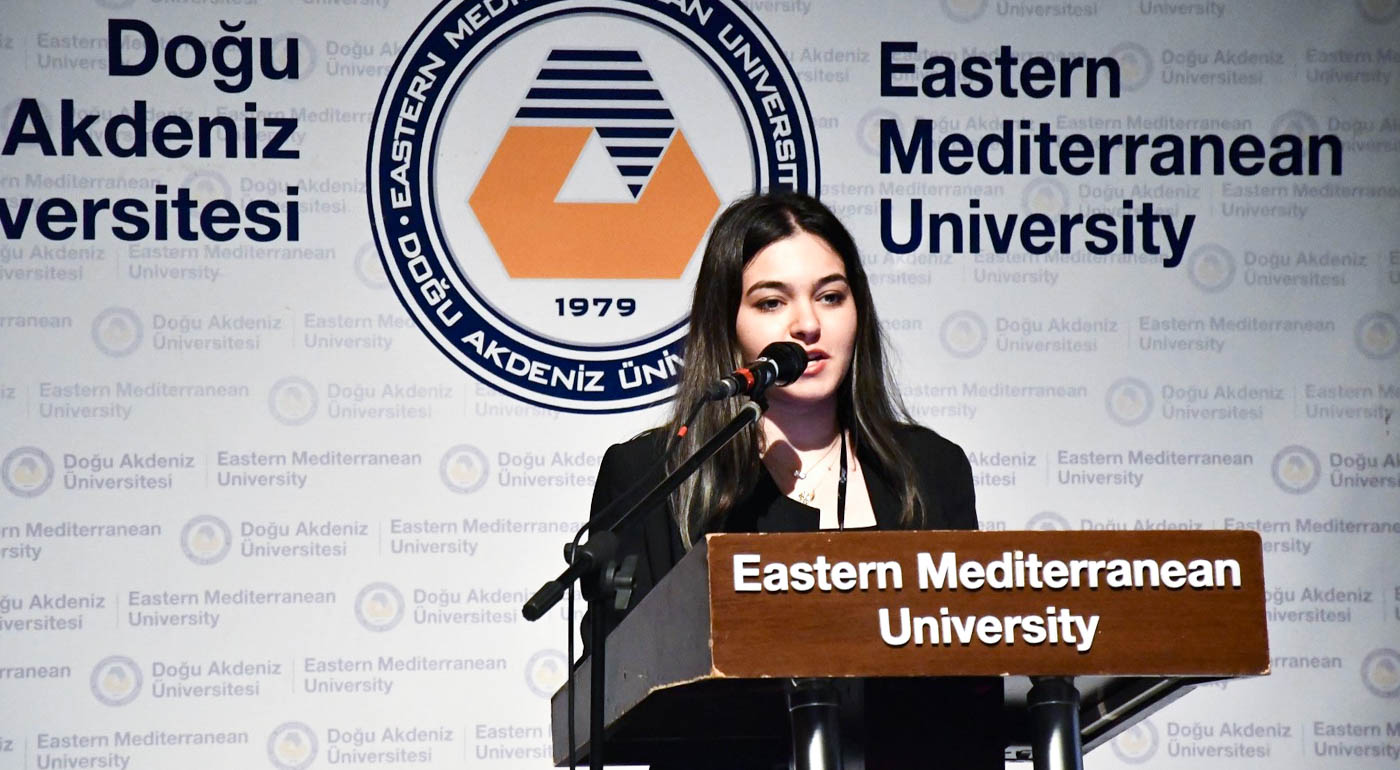
In her opening speech, Nazlı Özçeltik, President of the Scientific Research Club, underlined that the congress was not solely focused on the sharing of academic knowledge, but also aimed to foster a culture of science, curiosity, and collaborative learning. Emphasizing the significance of the “Brain-Connect” theme, Nazlı Özçeltik stated that it represents bringing students and experts together under the same roof in order to enhance the exchange of ideas and contribute to the advancement of scientific thinking. She concluded her remarks by thanking the students, academics, and university administration who contributed to the organization of the congress and expressed her hope that the event would be productive and inspiring for all participants.
“Encompasses Not Only Diseases but Also Understanding Thought, Behavior, and Human Nature”
Congress President Fersu Salel underlined the importance of the congress held under the theme “Brain-Connect: Students and Experts in Neuroscience,” emphasizing that neuroscience is concerned not only with diseases but also with understanding human thought, behavior, and nature. Stressing the significance of bringing together individuals with different perspectives and experiences, Salel stated that it was gratifying to see the organization come to life after months of dedicated preparation. Salel also thanked the academics, speakers, and members of the organizing committee for their contributions, expressing hope that the congress would provide valuable scientific insight and leave participants with a memorable experience.
“Among the Most Dynamic and Remarkable Fields of Contemporary Medicine”
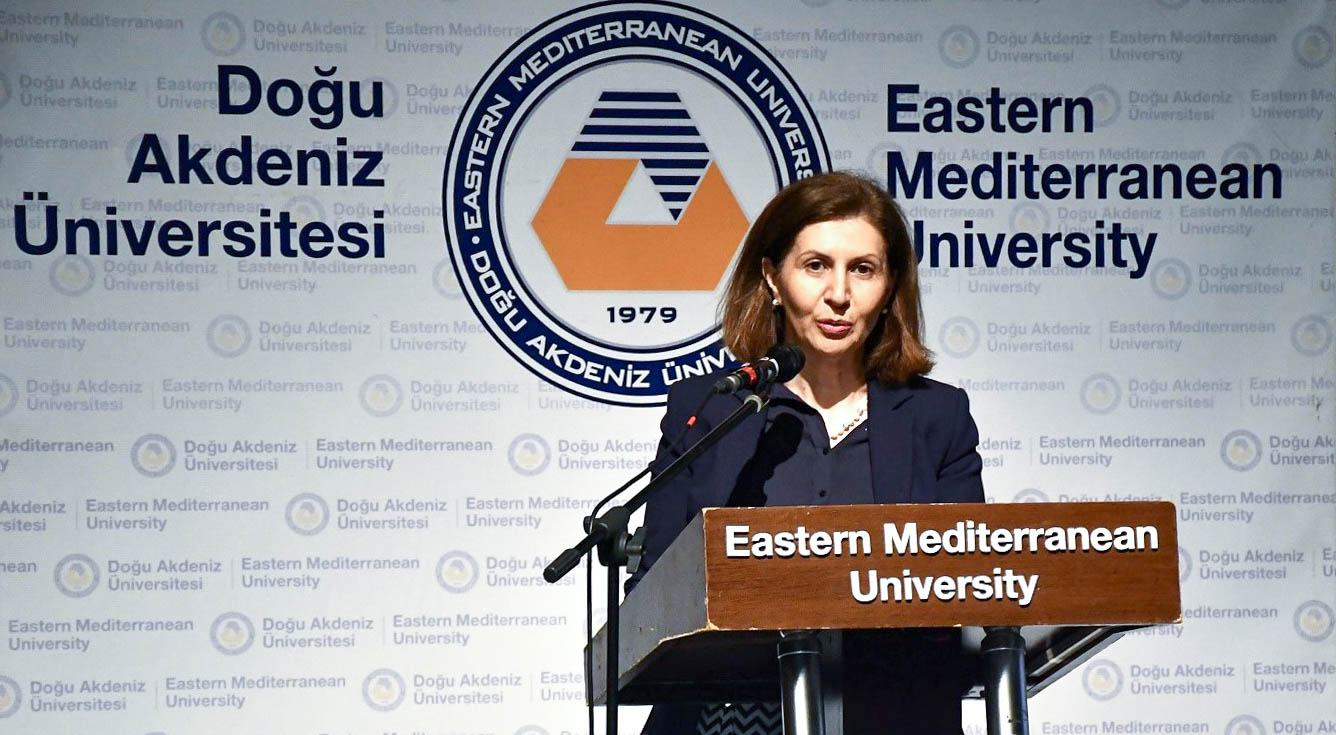
Dean of the Faculty of Medicine Prof. Dr. Nilüfer Güzoğlu stated that the congress was more than a scientific gathering, describing it as an important occasion for collaboration and academic interaction. Emphasizing that neuroscience is regarded as one of the most dynamic and remarkable fields of modern medicine, Prof. Dr. Güzoğlu noted that the congress created a valuable environment for scientific exchange by bringing together students and specialists in the field. Prof. Dr. Güzoğlu also thanked the students who dedicated months of effort to the organization process and the academics who supported the event throughout. Referring to the broad national and international participation, Prof. Dr. Güzoğlu remarked that science continues to serve as a unifying force across borders and expressed hope for the further development of academic cooperation. The institutions and supporters contributing to the successful realization of the congress were also acknowledged with appreciation.
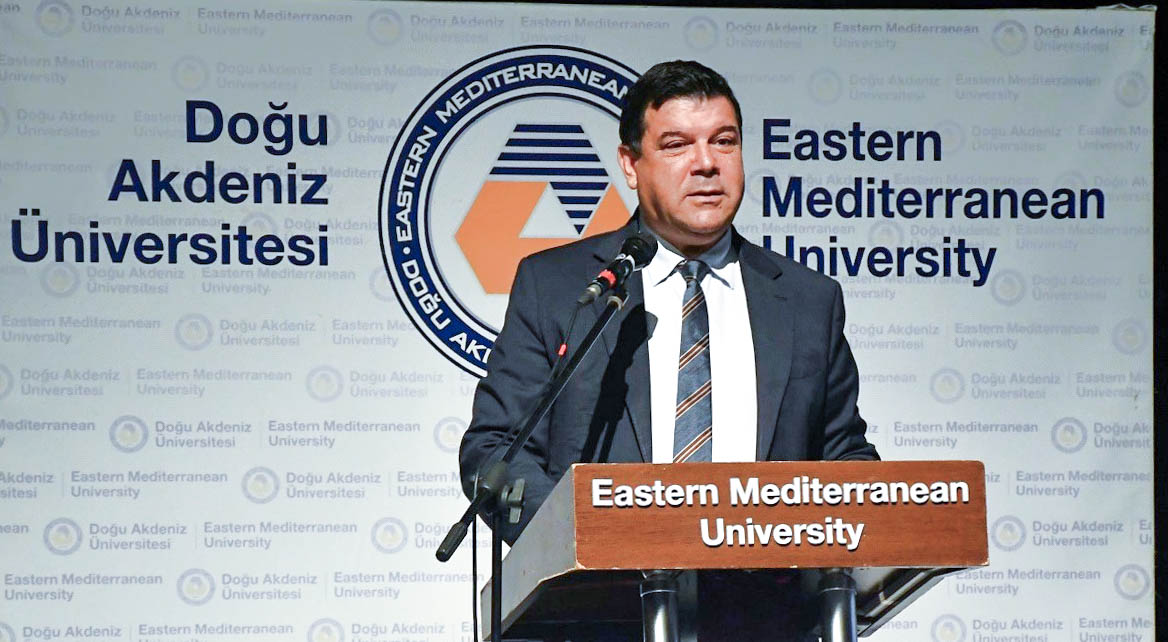
“An Important Platform Addressing the Transformation of Science”
EMU Rector Prof. Dr. Hasan Kılıç expressed his pleasure in addressing participants during the opening speech of the congress. Describing the event as more than a scientific meeting, Prof. Dr. Kılıç underlined that the congress served as a significant platform for discussing the future of medicine, the evolution of science, and the understanding of human intelligence. He also pointed out that neuroscience has become an increasingly strategic field in today’s world, particularly with the rapid advancement of artificial intelligence and emerging technologies. Referring to the ongoing development of the EMU Faculty of Medicine, Prof. Dr. Kılıç stated that the faculty continues to strengthen its position through its educational quality, research initiatives, and international partnerships. He emphasized that the faculty not only educates future physicians but also plays a vital role in promoting scientific inquiry, ethical principles, and a strong research culture. Noting that graduates are successfully pursuing careers and achievements in various parts of the world after receiving education at international standards, Prof. Dr. Kılıç expressed appreciation to all academic and administrative personnel whose efforts contributed to this success.
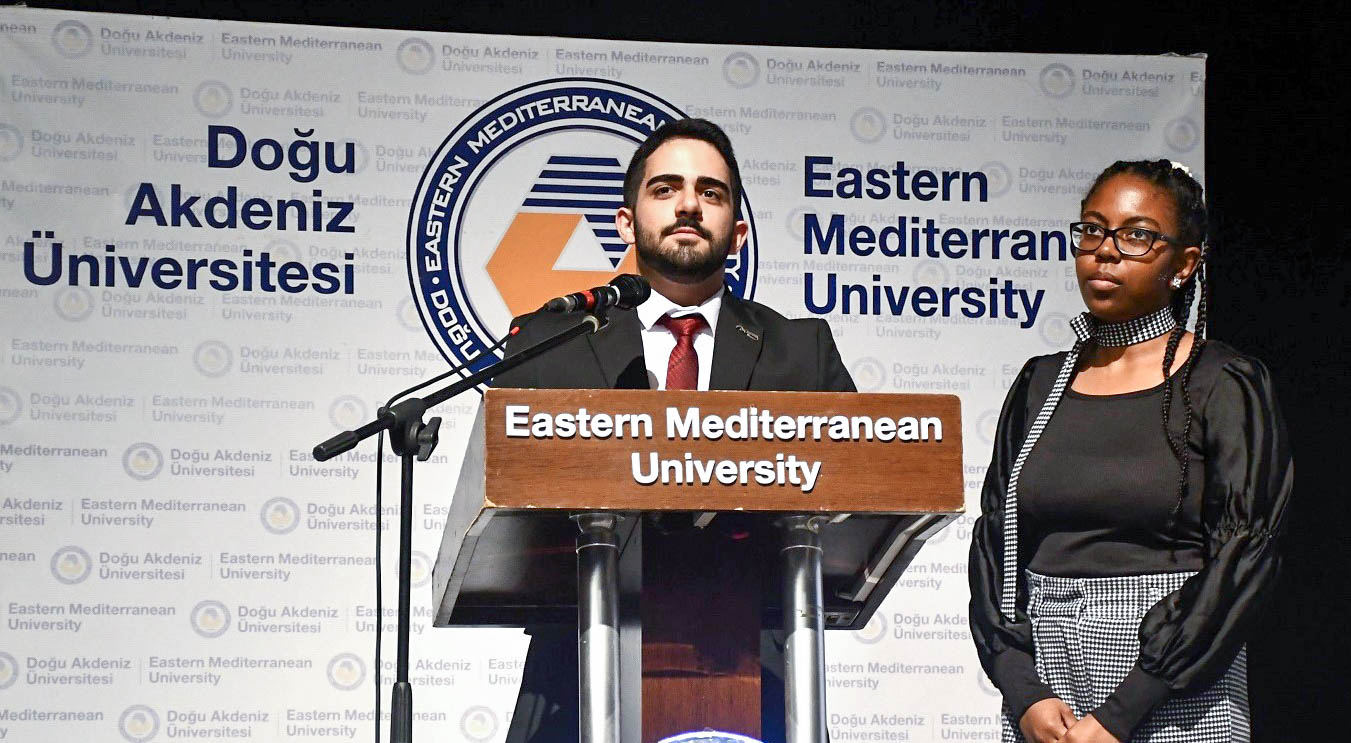
During the session conducted following the opening speeches, invited guest Prof. Dr. Selçuk Peker delivered a presentation titled “The Impact of Radiosurgery on the Practice of Neurosurgery”. Participants were presented with studies focusing on the integration of climate change into medical education, scabies disease, HPV awareness, and perceptions of abortion across different disciplines.
In the afternoon session, invited guest speaker Surgeon Dr. E. Onur Kulaksızoğlu gave a presentation titled “There is more in our brains than all the precious metals and stones in the world. We just need to realize: Neuroplasty”.
In the second and third sessions held throughout the remainder of the day, participants were presented with research on the prevalence of obsessive-compulsive symptoms, cardiovascular risk factors, tobacco-derived biomarkers, biomarker studies related to Alzheimer’s disease, genetic mutation analyses, polycystic ovary syndrome, tissue regeneration, and experimental investigations involving cancer cells. The program concluded with workshop sessions.
The program on the second day of the congress commenced with poster presentations and proceeded with the fourth presentation session. In this session, participants were informed about studies focusing on HIV prophylaxis applications, orthopedic cases, developmental dysplasia of the hip, and a rare clinical case.
The congress came to an end with a musical recital performed by medical students, followed by an award ceremony and gala dinner. With significant participation throughout the event, the organization was successfully finalized, offering medical students a valuable platform to share their scientific research and establish international academic connections.