

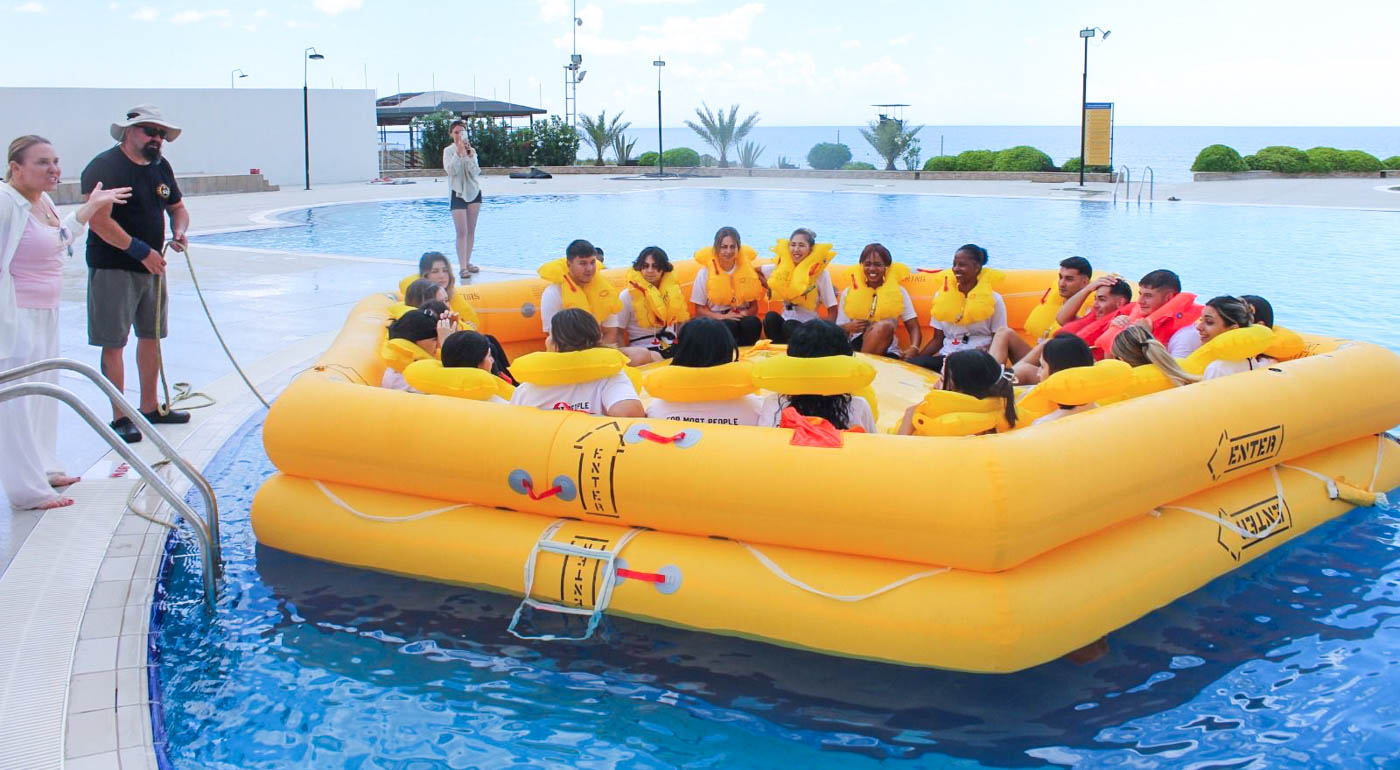
Eastern Mediterranean University (EMU), Faculty of Tourism, Civil Aviation and Cabin Services Program has achieved a first in the Turkish Republic of Northern Cyprus. As part of its commitment to preparing students for the aviation industry with the highest level of professional competence, the program organized an “Emergency Water Landing Scenario and Emergency Evacuation Training” session, which was conducted as a practical exercise at the EMU Beach Club with the participation of 100 students.
Emergency Procedures Experienced
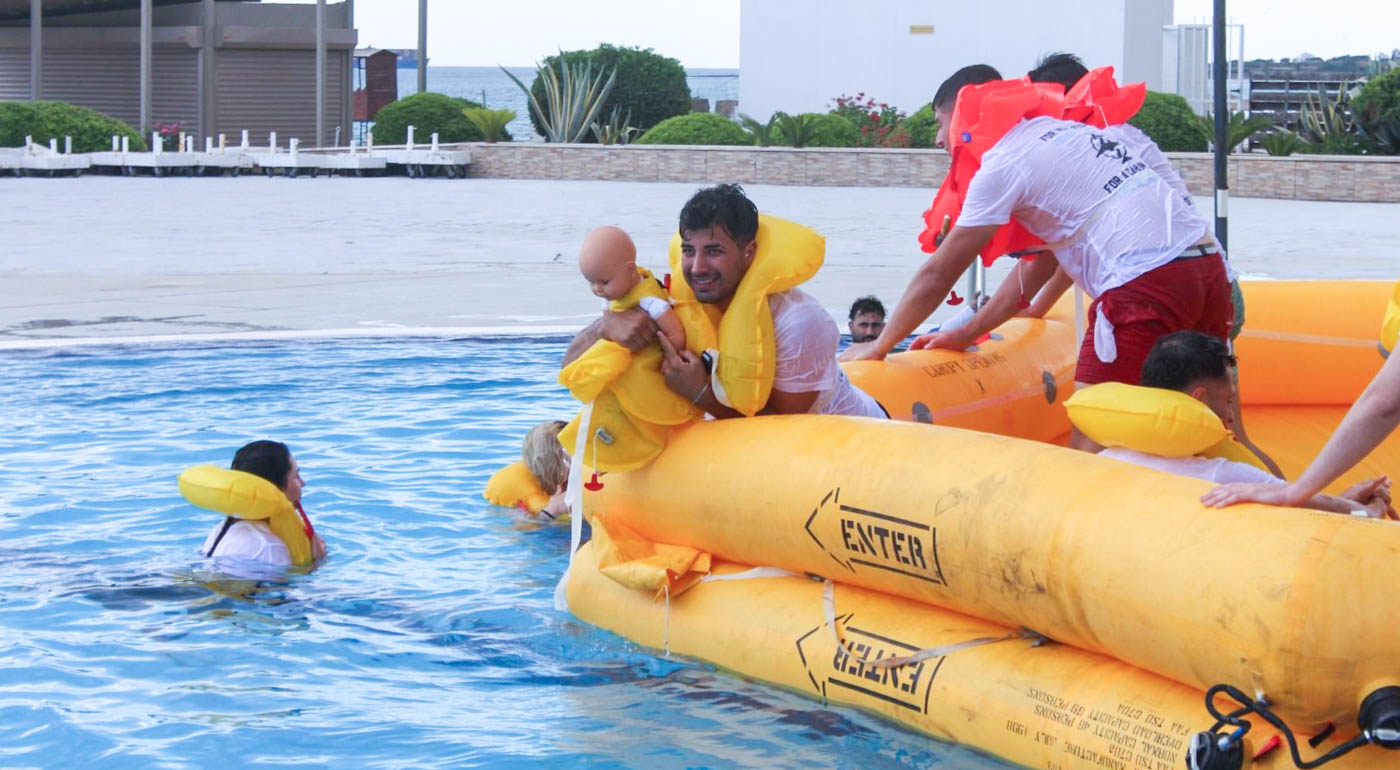
The training, which focused on emergency water landing and evacuation procedures—among the most critical safety protocols in the cabin crew profession—provided students with the opportunity to gain firsthand experience in implementing internationally recognized emergency procedures. Through the practical exercises, participants developed essential skills in ensuring passenger safety, managing crisis situations, coordinating effectively as a team, and carrying out evacuation operations efficiently.
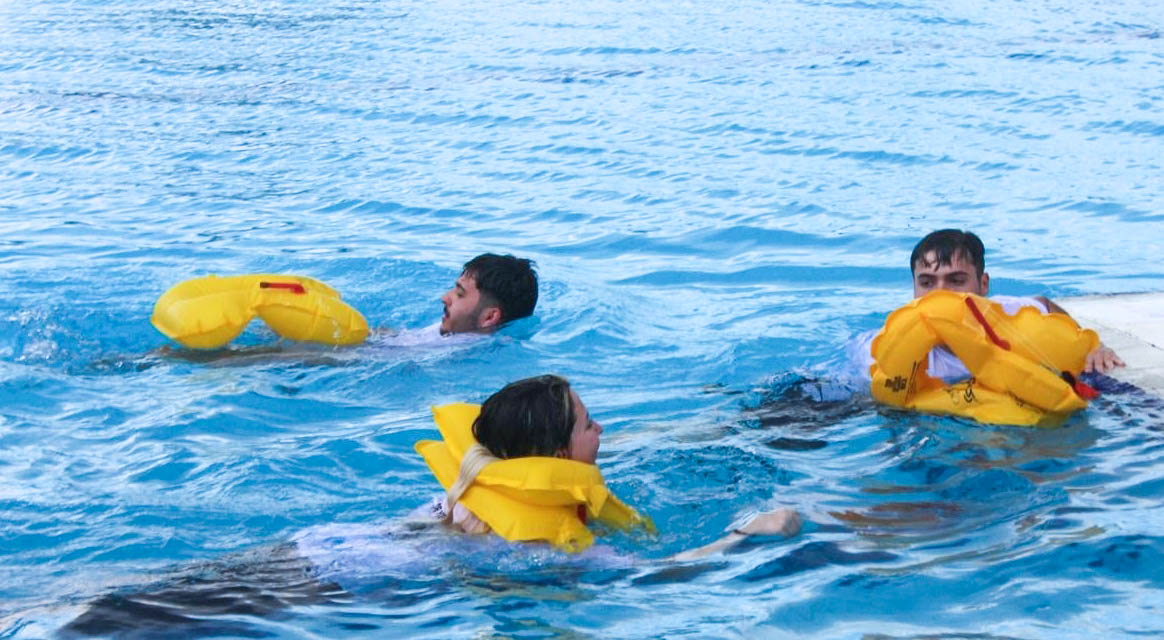
Through training based on realistic emergency scenarios, students had the opportunity to put their theoretical knowledge into practice while gaining valuable hands-on experience that contributed to the development of their professional competencies. Conducted with the support of industry experts, the training not only enhanced participants’ understanding of sector-specific practices but also strengthened their professional confidence.
“We Aim to Prepare Our Students for the Future with the Practical Skills Required by the Industry”
Commenting on the training, Aslı Akı, Coordinator of the Civil Aviation Cabin Services Program within the EMU Faculty of Tourism, stated that the program aims to prepare students for their future careers not only through theoretical instruction but also by equipping them with the practical skills demanded by the aviation industry. Emphasizing the significance of implementing the emergency water landing scenario training on a practical basis for the first time in the Turkish Republic of Northern Cyprus, Akı noted that the training, attended by 100 students, was highly productive and made a substantial contribution to their professional development. Highlighting the critical importance of safety, crisis management, and effective emergency response procedures in the field of cabin services, Akı stressed that preparing students to confidently handle real-life situations remains one of the program’s top priorities. She also added that, for the sustainability of the training, the program aims to offer this practical exercise on a regular basis each semester.