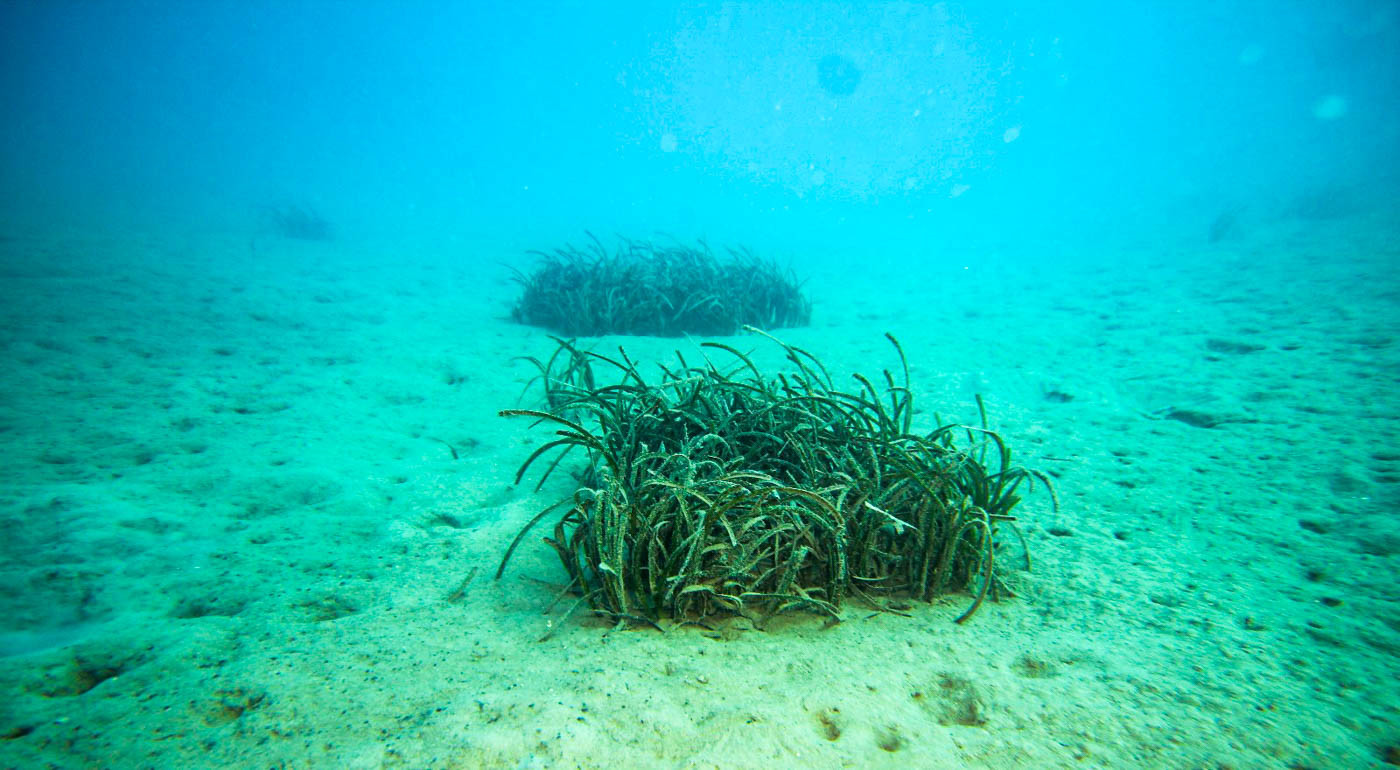
Eastern Mediterranean University (EMU) is contributing to the scientific implementation of the Posidonia oceanica (seagrass) Conservation and Rehabilitation Project, carried out along the coast of Milas in Muğla in collaboration with the Republic of Türkiye Ministry of Agriculture and Forestry, the Muğla Provincial Directorate of Agriculture and Forestry, and Yeniköy Kemerköy Energy. The project’s scientific activities are jointly led by EMU Faculty of Arts and Sciences, Department of Biological Sciences Chair and Underwater Research and Imaging Center (SAGM) Director Assist. Prof. Dr. Burak Ali Çiçek, together with the SAGM team.
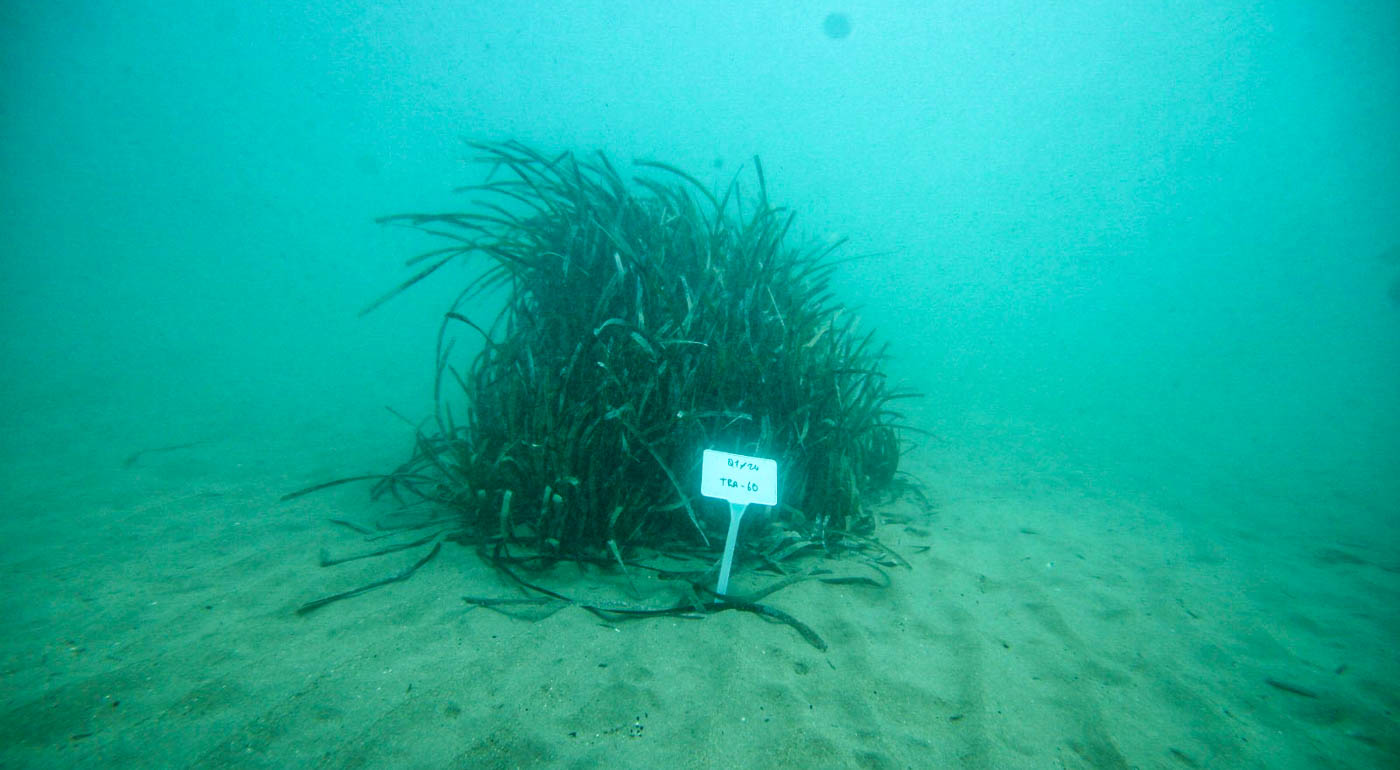
As part of the project, the transplantation, planting and rehabilitation of seagrass using various methods are being scientifically monitored, with the findings providing valuable data to support the conservation of marine ecosystems across the Mediterranean.
Successful Results in Seagrass Rehabilitation
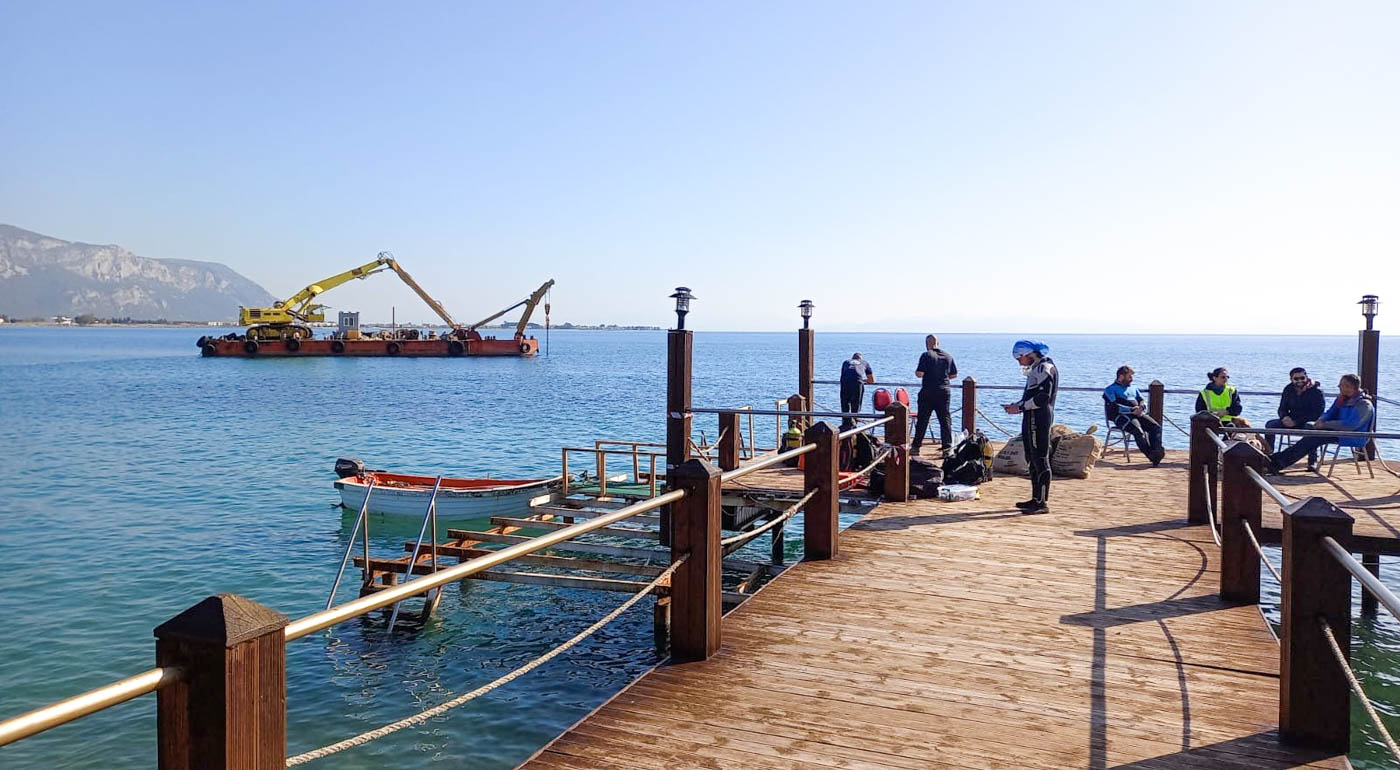
Assist. Prof. Dr. Burak Ali Çiçek, who leads the scientific processes of the project, stated that the study provides valuable scientific experience in developing practical methods for seagrass rehabilitation in Türkiye. Noting that transplantation and implantation methods have been applied at different depths, Assist. Prof. Dr. Çiçek explained that the studies are being conducted in consideration of the ecological conditions of the region and that the results achieved so far have demonstrated high success rates.
Referring to the results of nearly three years of monitoring, Assist. Prof. Dr. Çiçek reported that approximately 90% of more than 200 seagrass clumps relocated as part of the project continue to grow healthily, while around 70% of the 1,300 seedlings planted have survived. He emphasized that these findings demonstrate that, when appropriate scientific methods are applied, seagrass can be successfully relocated to different areas and re-established.
Seagrass Is Vital to the Mediterranean Ecosystem
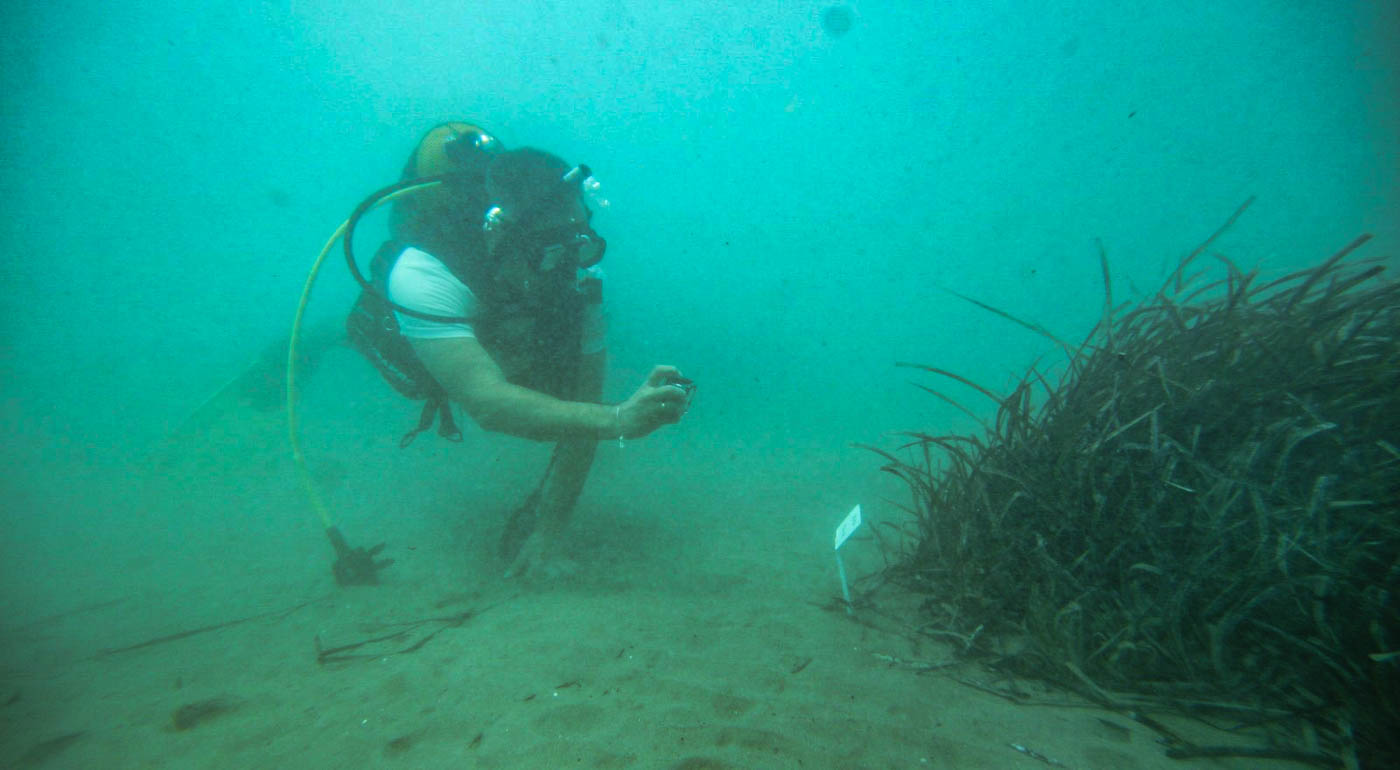
Highlighting the importance of seagrass not only for marine biodiversity but also for climate change mitigation, Assist. Prof. Dr. Çiçek noted that Posidonia oceanica ecosystems are among the most important blue carbon habitats. He explained that, in addition to storing carbon and producing oxygen, seagrass meadows help protect coastlines from erosion, improve water quality and provide essential habitats for a wide range of marine species.
Scientific Research to Enter a New Phase
Commenting on the next stages of the project, Assist. Prof. Dr. Çiçek pointed out that seagrasses are flowering plants rather than algae. He explained that the next phase of the research will focus on monitoring the natural seed production and dispersal processes of seagrass, cultivating seedlings from the collected seeds, and using these seedlings in further implantation studies. Assist. Prof. Dr. Çiçek noted that these efforts are expected to contribute not only to the conservation of existing seagrass meadows but also to the restoration of degraded marine habitats through the development of appropriate rehabilitation methods.
EMU’s Scientific Expertise in Marine Ecosystem Research
Highlighting EMU’s extensive research expertise in marine biodiversity, seagrass, coastal ecosystems and underwater research, Assist. Prof. Dr. Çiçek stated that the University’s academic knowledge and experience make a significant scientific contribution to the project. He emphasized the importance of combining the research infrastructure and field expertise of universities with public- and private-sector partnerships to transform scientific knowledge into practical environmental projects.
Assist. Prof. Dr. Çiçek noted that the project being carried out along the coast of Milas provides an important example of how scientific research can be directly applied to conservation and rehabilitation efforts in the field. He added that the knowledge and experience gained through the project could also contribute to future seagrass conservation and rehabilitation initiatives in other coastal areas.
Stating that EMU will continue its scientific research aimed at protecting marine ecosystems, particularly those of the Eastern Mediterranean, and strengthening their resilience to climate change, Assist. Prof. Dr. Çiçek emphasized that safeguarding seagrass meadows is an important responsibility in ensuring that healthy and sustainable marine ecosystems are preserved for future generations.