“A University’s Gateway to the World”
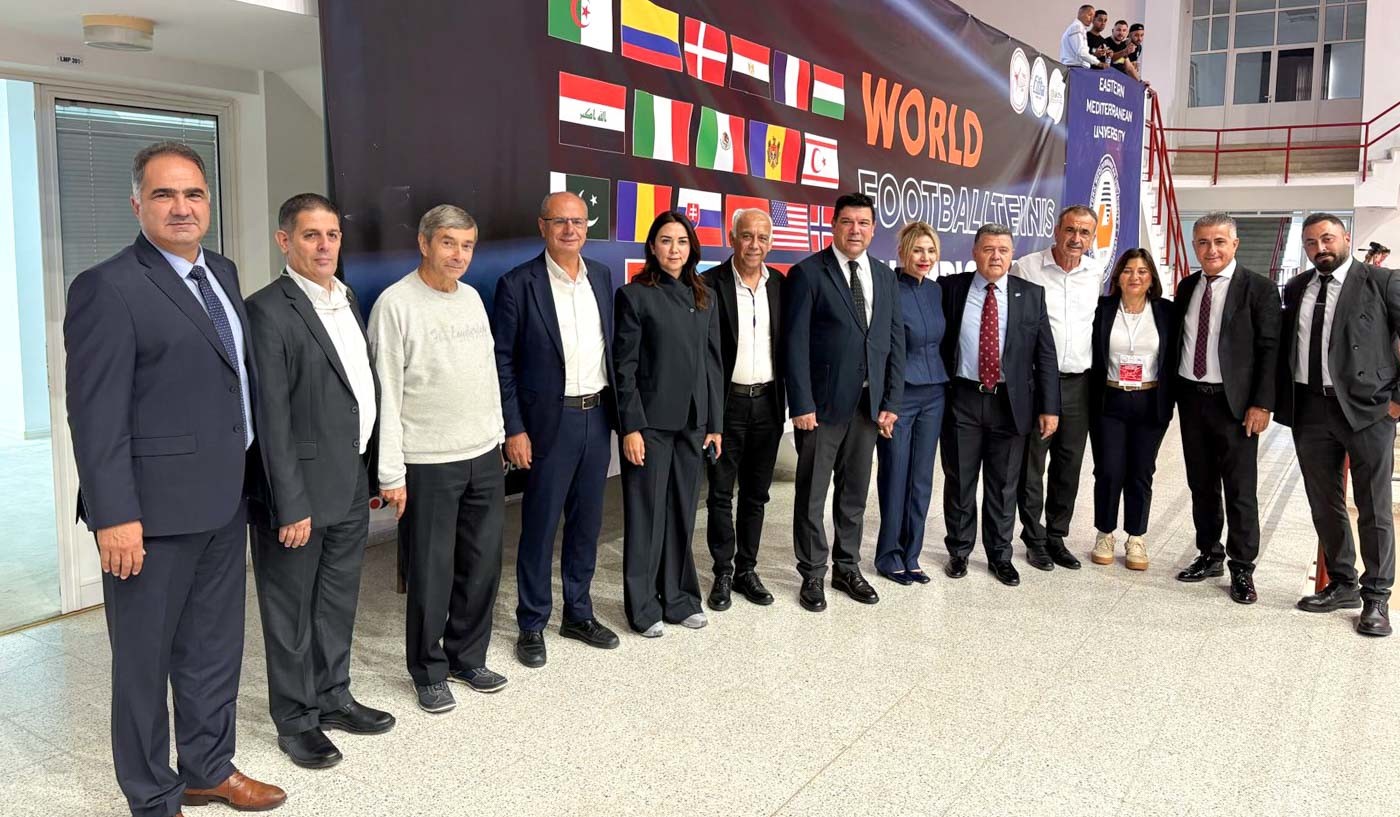
Eastern Mediterranean University (EMU) is hosting the Football Tennis 2026 World Championships this year. EMU Board of Trustees (VYK) Member Özdinç Akdel made a statement highlighting the contributions that hosting the championship will make to the country, EMU students, and the city of Famagusta. In his statement, Akdel remarked as follows:
“The gathering of athletes from Iraq, Pakistan, Romania, France, Moldova, Türkiye, Hungary, the TRNC, Denmark, and Slovakia at our University holds profound significance. As these athletes come together on the same field, they remind us that pursuing our own aspirations should go hand in hand with respecting the rights, efforts, and presence of others. I consider our University’s role in facilitating this international gathering, together with its commitment to promoting healthy living as a shared institutional priority, a meaningful demonstration of its sense of responsibility towards the future.
As a member of the EMU Board of Trustees, when reflecting on this event, I find myself asking the following question: What benefits does hosting such a gathering bring to the University itself and the wider community it serves?
The theme of the “Year of Healthy Living and Sports,” highlighted by our Rector in his opening address, particularly caught my attention as I reflected on this question. I must emphasize that I consider this initiative highly significant in shaping the University’s vision for the future. I firmly believe that this approach, which places young people’s health, lifestyle habits, and social development at the forefront of the University’s priorities, embodies a forward-looking vision that will further enrich our educational philosophy.
We often evaluate the success of universities based on student enrolment figures, scientific publications, international rankings, and financial indicators. Like anyone entrusted with administrative responsibilities, I also attach great importance to these measures. However, to truly understand a university’s value to society, we must also consider the kind of life it fosters on its campus. What habits do young people develop during their time here? How do they build relationships with themselves and those around them? How does the University contribute to their ability to lead healthy and meaningful lives?
The strength of the “Year of Healthy Living and Sports” theme lies in its ability to transform these questions into matters of institutional responsibility. Making regular physical activity, collaboration, solidarity, and personal well-being integral parts of campus culture represents a long-term educational goal. The value of this vision will be reflected in the extent to which it positively influences students’ everyday lives throughout the year.
I consider the Football Tennis World Championships a concrete example of this approach in action. When athletes from different countries come together on the same playing field, they bring with them diverse languages, cultures, and personal experiences. However, for the competition to take place, they must establish common ground. By embracing shared rules, respecting one another’s efforts, and participating in the same sporting challenge, they demonstrate that individuals from different backgrounds can work together while preserving their unique identities.
This represents an important aspect of the institutional culture that universities should seek to cultivate. Students broaden their perspectives through the people they encounter and the experiences they acquire. Even a brief exchange with an athlete from another country can challenge long-standing assumptions and encourage a fresh perspective on that nation. In this respect, sport extends beyond physical development, providing valuable opportunities to foster social connections and enhance mutual understanding.
The playing field itself also presents important questions. Can we uphold the rules when our determination to win grows stronger? Can we accept responsibility in the face of failure? Are we capable of appreciating our opponents’ achievements? How do we react when a teammate makes a mistake? The answers to these questions reveal not only our individual character but also the values and principles that shape our ability to live together in harmony.
From this perspective, I believe that the concept of healthy living encompasses a much broader meaning. Nurturing individuals who take care of their physical well-being, recognize their own limitations, demonstrate solidarity with others, and engage in competition with fairness and integrity is among the valuable contributions a university can make to society. What makes the vision outlined by our Rector particularly meaningful to me is its emphasis on recognizing physical, mental, and social development as interconnected dimensions of human well-being.
I believe that one of our responsibilities as members of the Board of Trustees is to establish a meaningful connection between the University’s present needs and its long-term contributions to society. The responsible management of the University’s resources, the efficient operation of its facilities, and the achievement of meaningful outcomes through its activities are undoubtedly important. However, when evaluating these outcomes, we must also take into consideration the positive lifestyle habits students develop, the international relationships established, and the growing ties with the wider community.
In this respect, EMU’s sports infrastructure plays a valuable role in facilitating an international gathering. The facilities and resources developed by the University over the years are being transformed into a shared space that brings together people from different countries. One of the lasting benefits of hosting this championship could be its potential to inspire our students to engage in sporting activities, make greater use of the University’s sports facilities, and explore new sporting disciplines.
Another aspect I consider particularly important is the opportunity for every athlete and guest visiting Famagusta to discover the city through their own personal experiences. From the moment they arrive until the day they depart, the hospitality they receive, the friendships they form, and the experiences they gain will leave a lasting impression of our country. A well-organized event, carefully maintained facilities, and a helping hand extended whenever needed will serve as tangible reflections of our University’s institutional values.
When the championship comes to an end, the winners will be announced, the trophies will be presented, and the teams will return to their respective countries. However, we will still have important questions to reflect upon: What kind of experience have we provided for our students? What new relationships have we laid the foundations for? And how can we build on the excitement generated by this event to foster a more active, engaging, and healthier campus life?
As a member of the EMU Board of Trustees, I believe that the true value of hosting this championship lies in the answers to these questions. This is also where I see the lasting significance of the “Year of Healthy Living and Sports” vision: in transforming the excitement of a few days of sporting competition into habits and relationships that will enrich young people’s lives for years to come. The athletes gathered on the same field today remind us that pursuing our own aspirations should go hand in hand with respecting the rights, efforts, and presence of others. I regard our University’s role in bringing about this international gathering, together with its commitment to promoting healthy living as a shared institutional goal, as a meaningful reflection of its responsibility towards the future.”